top of page


Importing Goods from Asia: Challenges and Opportunities for Small Businesses
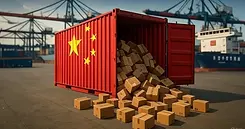
Quality Challenges in Asian Imports: Navigating Suppliers and Middlemen

Exporting products to Asia: opportunities, challenges, and strategies
Asia’s Role in Modern International Trade: Trends, Challenges, and Opportunities

For small businesses looking to grow, importing goods from Asia has become an increasingly attractive strategy. The region offers competitive pricing, diverse product options, and scalable manufacturing capabilities. However, while the opportunities are significant, the process also comes with challenges that require planning, knowledge, and the right partnerships.
One of the biggest advantages of sourcing from Asia is cost efficiency. Countries such as China, India, and Vietnam provide access to large-scale production at lower costs, allowing small businesses to improve margins and stay competitive. Additionally, the variety of products available makes it easier to diversify offerings and adapt quickly to market trends.
Despite these benefits, supplier selection remains a critical challenge. Identifying reliable manufacturers, verifying quality standards, and ensuring ethical practices can be complex—especially when operating from a distance. Without proper due diligence, businesses risk delays, inconsistent products, or even financial loss.
Logistics is another important factor. Managing international shipping, customs clearance, and documentation requires attention to detail. Small businesses often face difficulties understanding import regulations, taxes, and freight options. Choosing between consolidated shipping (LCL) and full container loads (FCL) can directly impact costs and efficiency.
Communication barriers also play a role. Differences in language, time zones, and business culture can lead to misunderstandings during negotiations or production. Clear documentation, detailed product specifications, and consistent follow-up are essential to avoid costly mistakes.
On the other hand, technology has made importing more accessible than ever. Digital platforms connect buyers and suppliers globally, while logistics solutions provide real-time tracking and better cost management. With the right tools, even small companies can operate with a level of sophistication that was once limited to large corporations.
To succeed, small businesses should focus on building strong supplier relationships, starting with smaller orders to test reliability, and seeking expert guidance when necessary. Working with international trade consultants or sourcing agents can significantly reduce risks and streamline operations.
In conclusion, importing goods from Asia presents a powerful growth opportunity for small businesses—but it is not without complexity. Those who approach it strategically, invest in knowledge, and prioritize reliable partnerships can turn global sourcing into a sustainable competitive advantage.
bottom of page